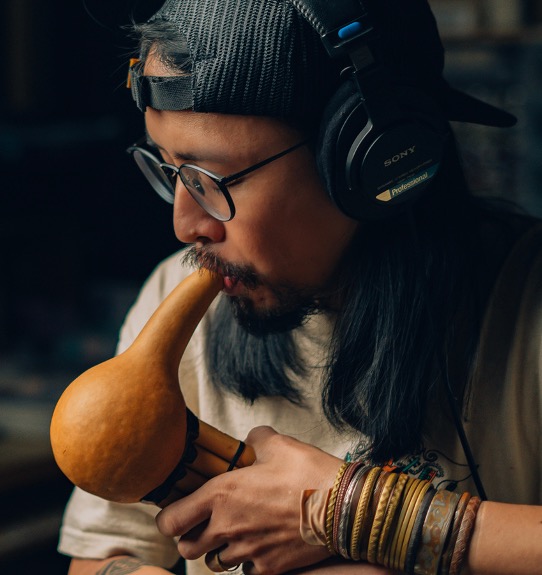
Produces harmonious, soothing sounds. Played at social gatherings and festivals, symbolising joy and connection.
- Capture
- Mesh + 2 splat captures
- Layer
- Reed drone


Nine instruments from Sabah, recorded with the people who play them, on terms they set. A playable archive — and a sound machine built from it.
Plays Sompoton Dreams — a finished piece arranged from the archive. Instrument previews in the archive itself are synthesis stand-ins. All pieces →
Rua Kita is more than a project — it is a cultural-tech platform built on values that guide every decision, collaboration and experience we create.
We listen to the voices of our land — the elders, the rhythms, the oral traditions — and honour the ancestral sounds that shape our cultural identity.
Every archive, tool and experience is developed with the communities we work with — not just for them.
We bring cultural heritage into new spaces — relevant for youth, accessible to the public, and visible on a global stage.
Tap a card to hear it. Cultural notes are documented with community partners; player, maker and village credits are confirmed with each community before they go on the page.
Produces harmonious, soothing sounds. Played at social gatherings and festivals, symbolising joy and connection.
A centrepiece of Sabahan culture, used in ceremonies, dances and celebrations. Each gong’s size and pitch carries a specific role in the ensemble.
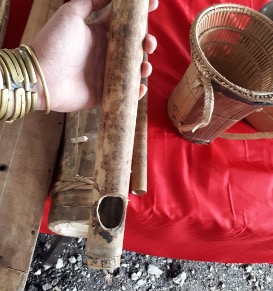
Held at the closed end and struck at the open end with a mallet. Its rhythmic beats mimic the gong ensemble.
Played for personal enjoyment or in performance. Without a gong ensemble it substitutes for one — each bamboo string corresponds to an individual gong.
Sabah’s version of the lute, with a hollowed wooden body. Its soulful tunes accompany traditional dances, symbolising love and storytelling.
Crafted from a type of palm and played with the mouth, plucked by hand for its twangy sound. Used for personal expression and storytelling.
Struck with a mallet. Opening or closing a hole at the end shifts the tone, alternating high and low for its distinct “wub”.
Blown through a hole for a deep, resonant horn. Sounded before warriors left, and again on return if the hunt had succeeded.
Shaken or struck for a bright, rhythmic clatter. Sounded to drive away bad omens when cicadas were heard before a hunt — if the buzzing continued, it was time to turn back.
Heard something you couldn’t place? Pick a family and a texture and we’ll play short candidates until one clicks.
Sound-led search →Recordings publish at 48 kHz / 24-bit with engineer, date, location and performer credit attached. Citation and master access open with the archive.
Citation + access →Rare timbres, cleanly licensed, with revenue shared back to the communities that recorded them. Sound packs ship with phase two.
Licensing terms →Many traditional sounds exist only in oral tradition. With elders passing on and few recordings available, we risk losing both the instruments and their meanings.
Without proper documentation, these histories risk being lost or misinterpreted. Cultural specialists and community leaders validate and piece together the narratives with us.
Static recordings and academic research won’t keep these sounds alive. An interactive, digital-first approach is what keeps them relevant to new generations.
Once an instrument is recorded, cleaned and mapped into a virtual instrument, it can be played in ways it never could before. These are creative takes on two of the nine — the tradition intact underneath.
SourceSompotonThe sompoton’s reed held and stretched until the sustain becomes the room — a creative take on an instrument played at gatherings to mean joy and connection.
SourceToburikA war trumpet turned into a beat. The same hollowed bamboo that once announced a warrior’s return, mapped across a keyboard and given a tempo.
Both pieces are arrangements of recordings held under consent that covers remix. The credit list travels with every file, and neither piece is offered as — or should be mistaken for — a traditional performance.
Four layers, drawn from the archive. It arranges and transforms real recordings — it does not generate performances that could pass as traditional ones.
Every export ships with a credit manifest — source takes, players, communities, licence. You see the list before the download starts.
Intervals are taken off the recordings themselves and stored in cents. Nothing here is snapped to the piano — a sompoton bent to a Western scale is a different instrument.
Each instrument’s intervals are measured off its own recordings and stored in cents against a reference pitch. The sound machine reads those numbers at playback and adds a few cents of drift per note, so a repeat never lands identically.
Per-instrument figures publish once the analysis is reviewed.
Nothing publishes without a signed record and at least one named credit. Partners review every cultural note before it goes live, and knowledge holders can withdraw their material.
We are building infrastructure that lets cultural traditions be documented, connected and shared across borders — a scalable model, not a one-off collection.
Field recordings of up to 15 indigenous instruments, story documentation for each, a digital archive co-created with community elders, and co-creation workshops for youth activation.
AI tools to reinterpret archived sounds. New compositions by local and digital creators, and an experimental remix culture rooted in authenticity.
On-ground installations for museums, festivals and tourism activations. Public-facing soundscapes tied to Visit Malaysia Year 2026, and a scalable model for other regions and cultures.
Three commissions built on these instruments — a hotel identity, a documentary score and a tourism campaign — with local artists shaping the melodies.
Sompoton, tongkubung, tonkungon and bungkau treated as textures inside a modern interpretation of Sabahan music — each instrument layered so its natural character still comes through.
The first full documentary scored with these instruments — carrying the emotional weight of the mongigias, rural teachers who provided early childhood education where access was limited.
The seruling captured in its most natural form, built around with Turali, Sundatang, Gong and Tonkungon. Dabra Sia sings in Dusun on the bridge — the culture leading the music.
Liaison with communities and cultural experts, plus youth and women’s empowerment pathways through the project.
Funding support for fieldwork logistics, and advisory on the public-facing experiences.
Fair payment, credits and visibility for every cultural contributor — a condition of the project, not a courtesy.
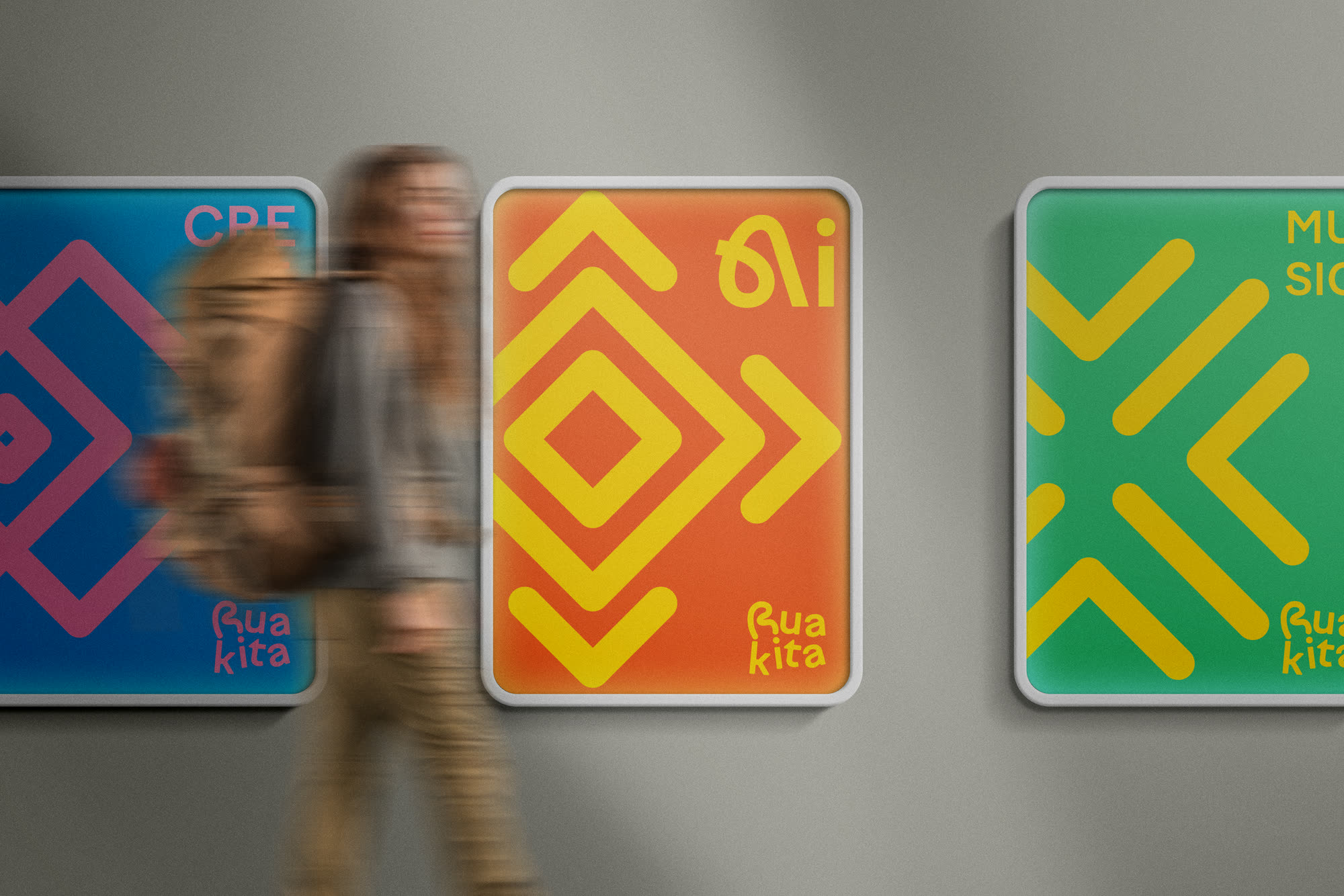
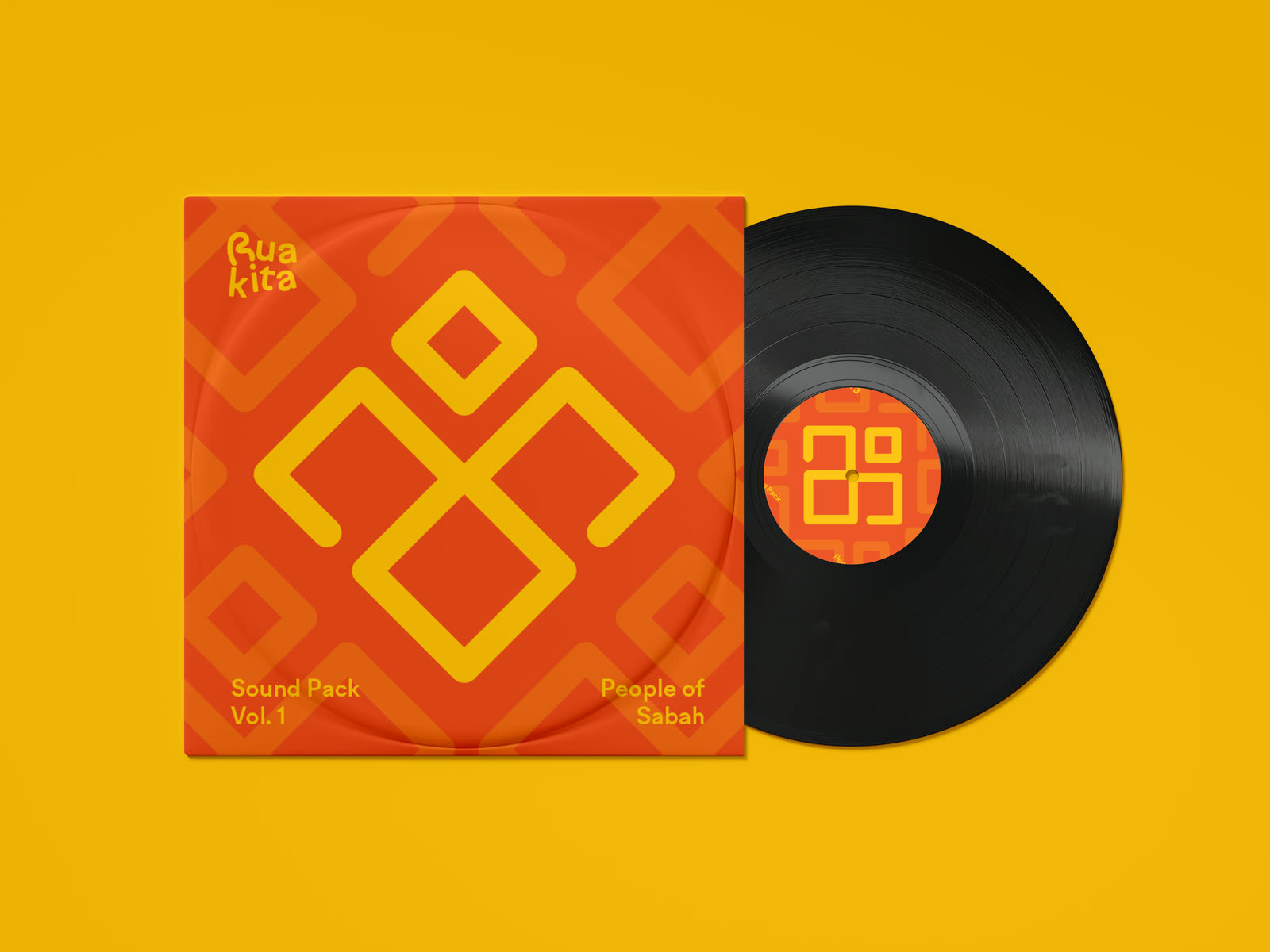
A poster series and two sound-pack volumes carry the archive off the screen — each release credited to the community it came from.